Top Halloween Traditions from Around the World
While Halloween traditions in the United States are well known, many cultures across the globe celebrate this season in their own unique ways. Each tradition, whether spooky or festive, carries the same spirit of honoring life, death, and…
Halloween Traditions: How the World Celebrates This Spooky Season
While Halloween traditions in the United States are well known, many cultures across the globe celebrate this season in their own unique ways. Each tradition, whether spooky or festive, carries the same spirit of honoring life, death, and the mystical changes of the season.
Halloween Land, your family-owned Halloween superstore with over a decade of experience, can help make your Halloween magical. Whether you’re looking for the perfect costume or eerie decorations to set the mood, we have everything you need to explore Halloween customs that make this time of year special. Let’s find out how different countries celebrate Halloween and related festivals, and see the global Halloween customs that make this time of year special.
The Ancient Beginnings: How Halloween Came to Be
Halloween originated from the Celtic festival known as Samhain, a word that means “summer’s end” in old Irish. The Celts believed that at the end of October, the boundary between the world of the living and the dead became thin, allowing spirits to cross over. To keep harmful spirits away, people dressed in costumes, often using animal hides, and lit bonfires to scare them off.
There are many interesting Halloween costume facts connected to Samhain that have influenced today’s practices. For example, people wore disguises not only to ward off evil spirits but also to blend in with the dead who roamed the Earth during this time. This ancient tradition is one reason why we continue to wear costumes each Halloween.
Mexico: Día de los Muertos
Día de los Muertos, or the Day of the Dead, is celebrated in Mexico from October 31 to November 2. This holiday is not about fear but about love and respect for deceased family members. According to Mexican beliefs, the border between the spirit world and the real world dissolves, allowing souls to return to their families for a brief time.
On these days, families build ofrendas (altars) adorned with colorful marigolds (known as cempasúchil), photographs, and the favorite foods of the departed. These offerings are not only to honor the dead but also to encourage their spiritual visit. The celebration includes parades, sugar skulls, and skeleton figurines, which serve as a reminder that death is part of the natural cycle of life, and it should be approached with acceptance rather than sorrow.
Ireland: Samhain, the Original Halloween
In modern Ireland, Halloween is a lively affair with parades, fireworks, and parties. The tradition of dressing up comes from the ancient belief of disguising oneself to avoid detection by harmful spirits. The Irish also have a unique tradition of eating barnbrack, a type of fruitcake that has small items baked inside, like a ring or a coin. Each item has a special meaning for the person who finds it, such as luck, wealth, or future marriage prospects.

Japan: Halloween Street Parties and Commercial Celebrations
In Japan, Halloween wasn’t widely celebrated until theme parks like Tokyo Disneyland started promoting it in 2000. Today, Halloween in Japan is largely a commercial event, with shops, restaurants, and theme parks joining in the spooky festivities. There is no trick-or-treating, but the focus is on incredible, intricate costumes, with many adults dressing up as characters from movies, anime, and folklore.
One of Japan’s unique aspects is the Halloween-themed trains. What is usually a quiet place becomes a venue for parties, often with specific themes like vampires, ghosts, or monsters. The emphasis is on creativity and enjoying a communal celebration rather than traditional Halloween traditions.
Austria: Inviting Spirits with Lanterns and Offerings
In Austria, Halloween takes a slightly different form with the Kürbisfest im Retzer Land, or Pumpkin Festival. Celebrated in early November, it includes festivities like parades and lantern processions. Another unique practice in Austria involves leaving bread, water, and a lit lamp out overnight to invite spirits to visit during this mystical time.
This practice reflects the belief that spirits of the dead roam freely, and these simple offerings help them feel welcomed. The Austrian tradition has a spiritual, contemplative aspect that highlights the desire to honor and respect the dead during this season.
The Philippines: Pangangaluwa
In the Philippines, Halloween is intertwined with All Saints’ Day and All Souls’ Day, which are part of the Catholic calendar. Pangangaluwa is a traditional practice where children dress as souls of the dead, covered in white sheets, and go door-to-door singing hymns in exchange for prayers for souls in purgatory. Sometimes, they receive treats for their efforts.
This Filipino tradition emphasizes the spiritual aspect of Halloween, focusing on prayers, remembrance, and community. Families also visit cemeteries, much like in Mexico, bringing food, sharing stories, and celebrating the lives of loved ones who have passed on.
England: Mischief Night and the Story of "Punkies"
In England, what we know as trick-or-treating originated from an older tradition called Mischief Night. Instead of pumpkins, children would carve large beets, known as “punkies,” into lanterns. Mischief Night involved pranks, which gave rise to the modern idea of “trick or treat.” In some parts of England today, Halloween is still about gathering, sharing spooky stories, and honoring loved ones who have passed by lighting candles.
Though Halloween has become popular in England, it is still not as culturally embedded as it is in North America. However, many villages participate with costume parties and community events to mark the occasion.
Guatemala: The Festival of Giant Kites
The Festival de Barriletes Gigantes, or the Festival of Giant Kites, takes place in Guatemala at the start of November. People gather to honor All Saints’ Day and the Day of the Dead by flying enormous kites above cemeteries. These kites, often ten to twenty meters wide, are colorful and handmade using paper, cloth, and bamboo. The practice is over 3,000 years old and is believed to help communicate with the deceased, as if the kites are a bridge between the worlds.
The construction of the kites is an art form in itself, reflecting traditional symbols, messages of ancestry, and even addressing current social issues. This unique international Halloween tradition turns the skies into a vibrant, moving tapestry that symbolizes the connection between the living and the dead.
Italy: Honoring Saints and Souls
Ognissanti, or All Saints’ Day, is celebrated on November 1 in Italy, followed by Giorno dei Morti (Day of the Dead) on November 2. Italians gather with family and visit the graves of deceased relatives, bringing flowers and often lighting candles. Each region has its own customs, such as in Sicily, where it is said that the spirits leave sweets or small gifts for well-behaved children.
In the northern region of Lombardy, it’s customary to leave a vase of water in the kitchen, as it’s believed that the spirits may visit during the night and need a drink. The Italian way of celebrating emphasizes respect for saints and family, making it a quieter but equally meaningful event during the Halloween season.
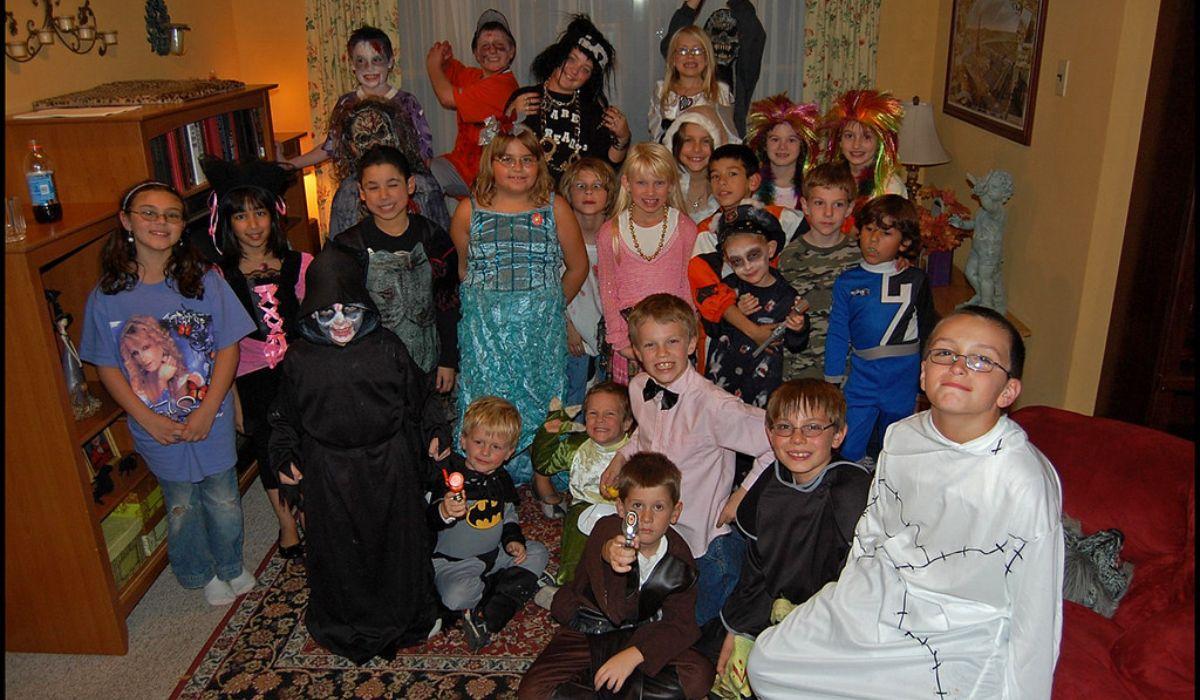
United States and Canada: Costumes, Parties, and Haunted Houses
In North America, Halloween has become a massive celebration, complete with costumes, Halloween products like decorations, and haunted attractions. Many of these traditions originated from Irish and Scottish immigrants who brought their customs with them in the 1800s.
Modern-day Halloween involves everything from haunted hayrides to costume contests and pumpkin carving. It’s a time when creativity shines, with everything from classic ghost costumes to elaborate, prize-winning outfits. In cities like Chicago, visiting a Halloween store Chicago is an essential part of getting ready for the season. The focus on costumes, spooky decorations, and parties has made Halloween one of the most eagerly anticipated holidays of the year.
Costa Rica: Día Nacional de la Mascarada
In Costa Rica, October 31st marks the Dia de la Mascarada, where people celebrate with oversized masks and lively parades. The most significant celebrations take place in cities known for their mask-making skills, like Cartago, Escazu, and Barva de Heredia. The tradition includes parades accompanied by cimarrona bands, playing folk music to set the tone for a festive and colorful celebration.
The masks are often humorous and depict characters from local folklore, politics, and popular culture. The purpose of the parade and masquerade is to create a collective joy—bringing people together through laughter, music, and cultural expression.
Embracing the Spirit of Global Halloween Traditions
Halloween is a truly global celebration, with each culture adding its own unique customs, beliefs, and rituals to mark the occasion. From Guatemala’s giant kites that bridge worlds to Ireland’s ancient Samhain bonfires, these Halloween traditions remind us of the rich diversity of our shared human experience. Whether it’s vibrant costumes, spiritual gatherings, or acts of remembrance, each tradition honors both the living and the departed in its own special way.
With over 10 years of experience, Halloween Land has become a trusted resource, helping people from all over celebrate Halloween with the perfect costumes, decorations, and accessories. No matter if you’re following a traditional custom or exploring a global Halloween tradition, we have everything you need.
This Halloween season, make your celebration unforgettable by visiting Halloween Land for the best Halloween products Chicago, IL. Whether you’re throwing a party, trick-or-treating with friends, or simply enjoying the cozy October vibes, we have everything you need to make it spectacular. Visit our locations or contact us for more details!